Paramedic
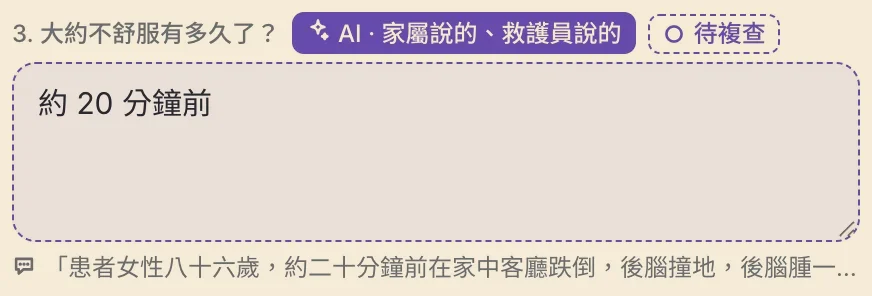
The form is completed during the interview.
The paramedic dictates or types on the EMS tablet, and AI completes the official EMS run report at the same time. The paramedic then confirms it.
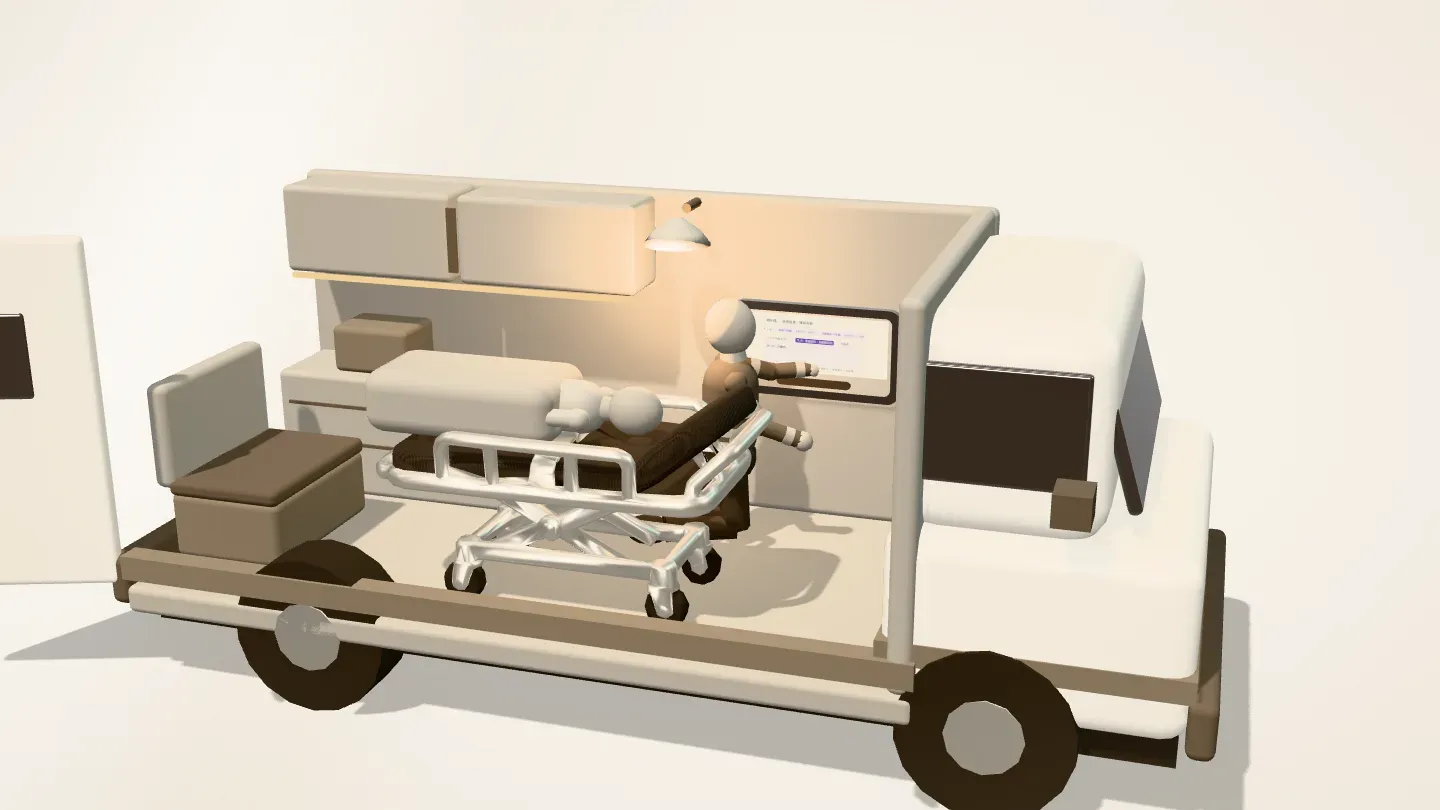
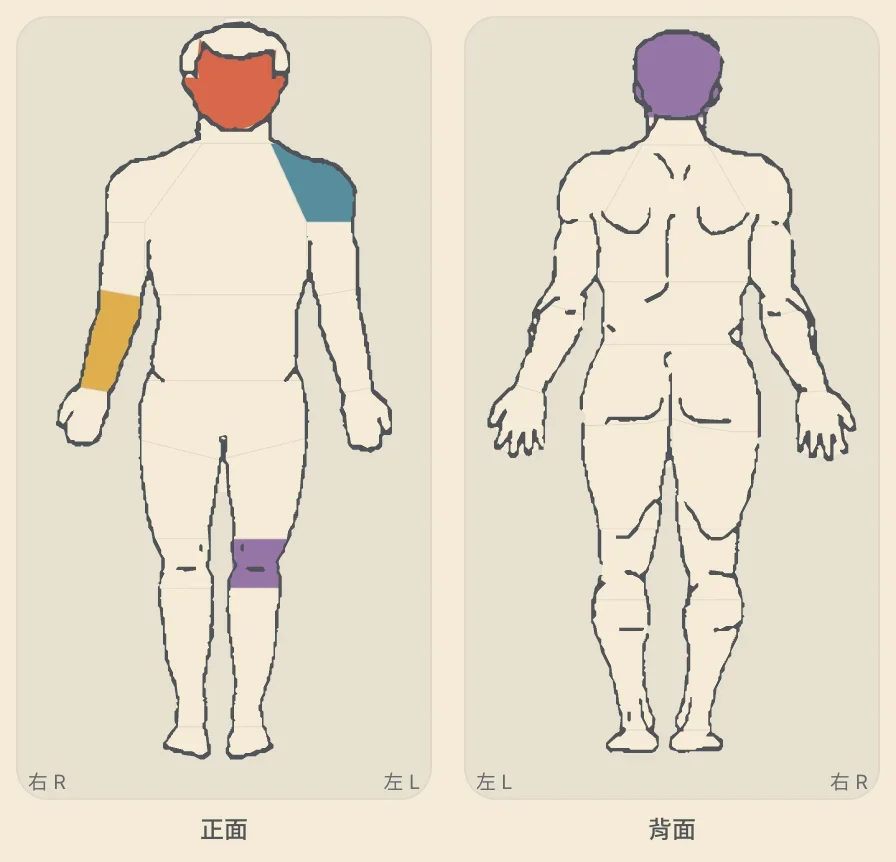
EMS-to-ED clinical handoff assistant
Paramedics dictate during treatment, and AI completes the official EMS run report in real time. Before the patient reaches the ED, triage data is already entered, and the physician can review a handoff summary that cites the source of every sentence.
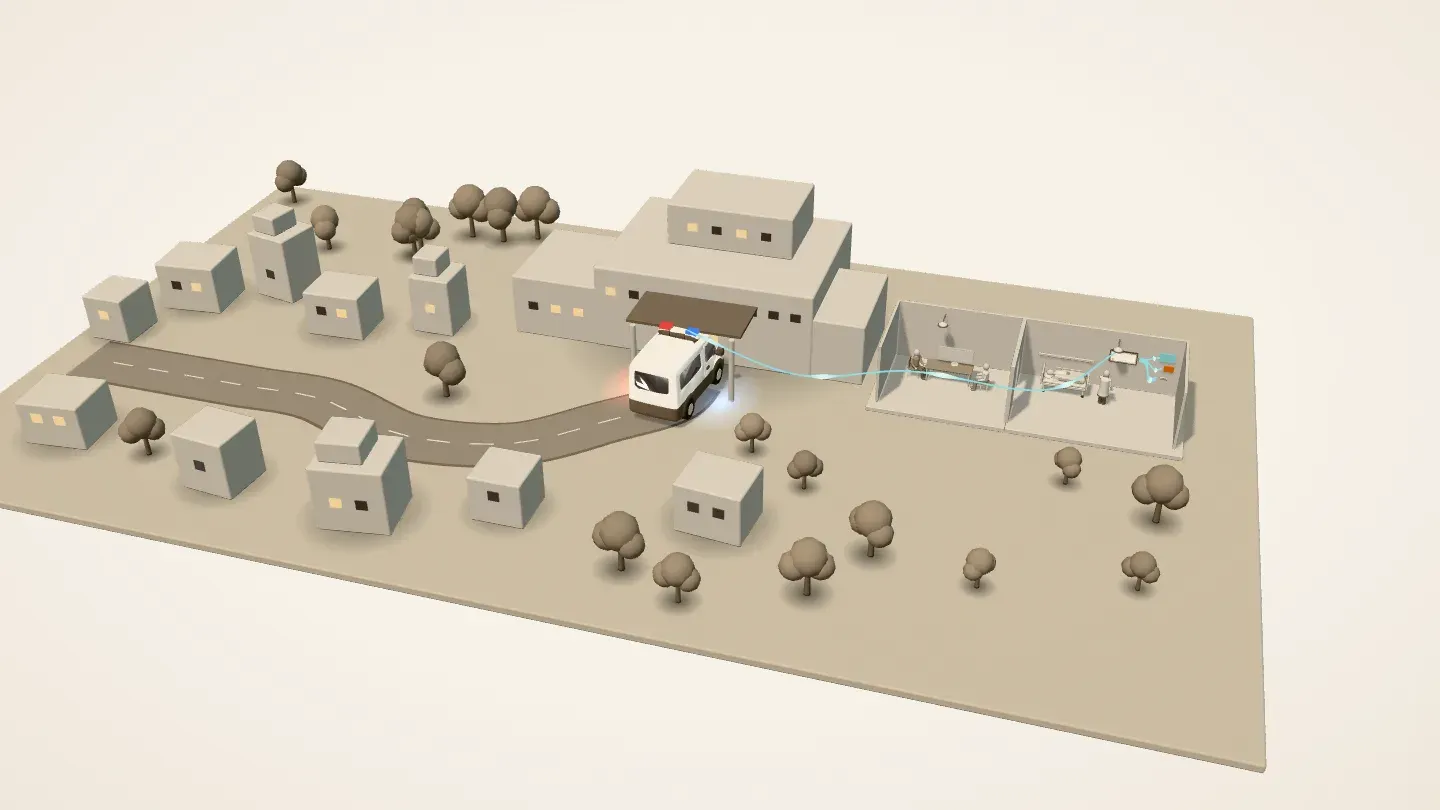
Planned integrations. Contact us for other requirements.
Treating and recording at the same time means details arrive late or are missed.
Chief complaint, history, allergies and vital signs are asked again at every stage.
Prehospital, triage and chart records sit in separate systems, so the physician must piece them together and carries a heavy burden.
01Three roles
Paramedic
The paramedic dictates or types on the EMS tablet, and AI completes the official EMS run report at the same time. The paramedic then confirms it.
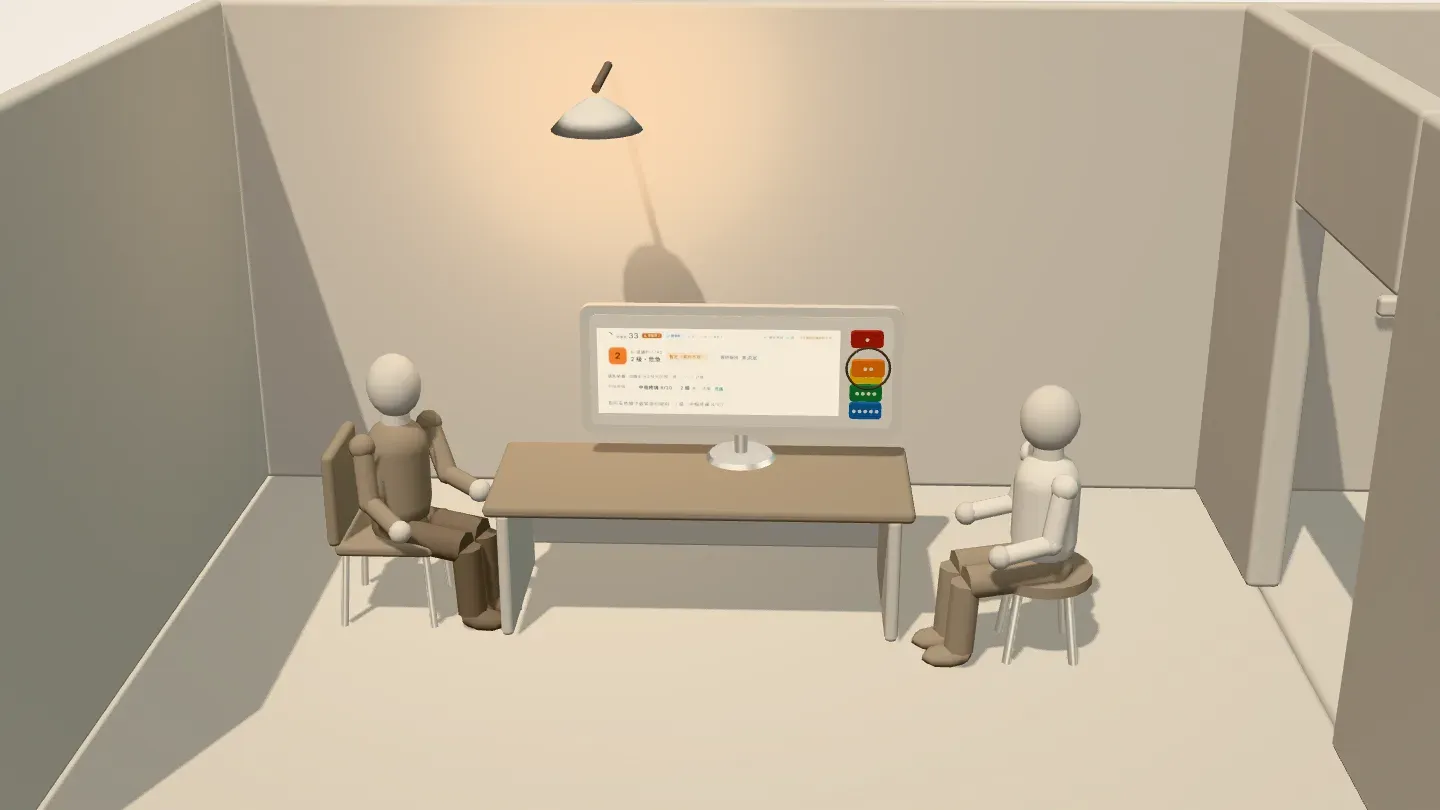
Triage nurse
Prehospital data is entered into the TTAS triage form in advance, so the nurse only needs to ask about missing items. The level is calculated by TTAS criteria and finalized by the nurse.

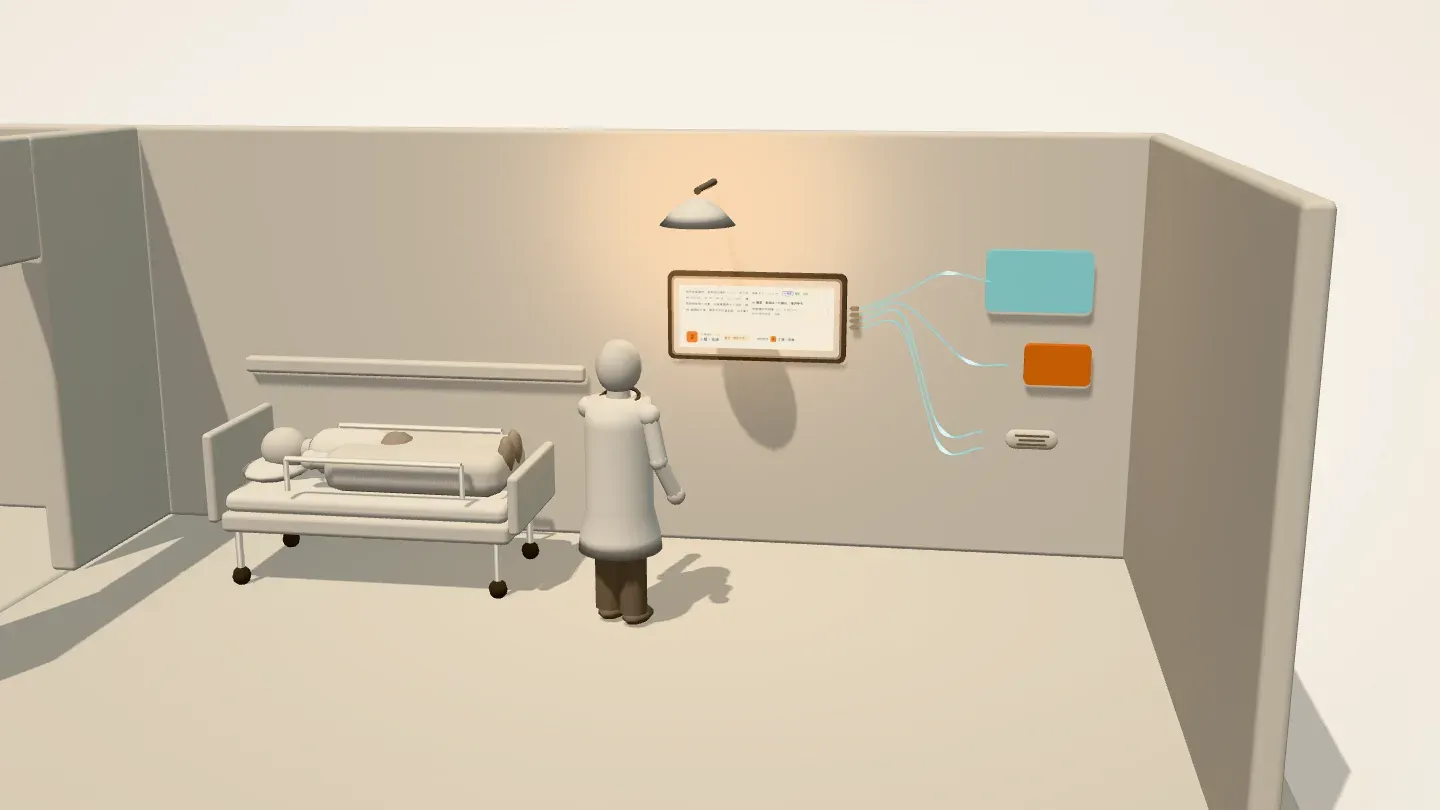
ED physician
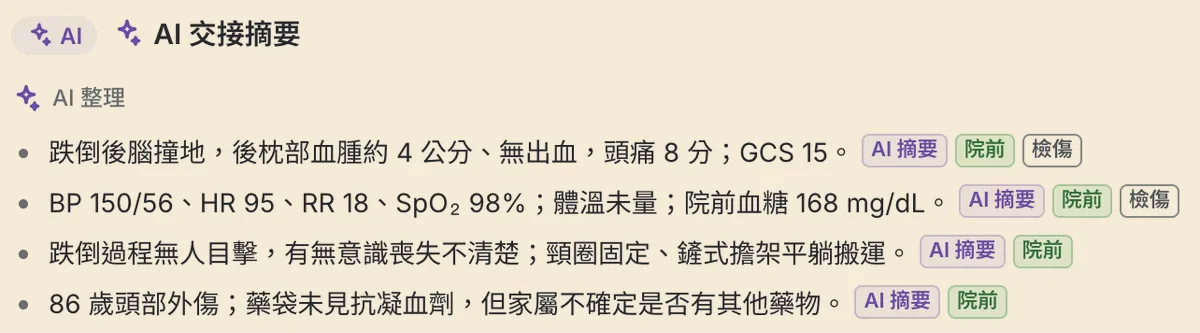
Every sentence of the handoff summary shows its source, and the summary lists common and can't-miss differential diagnoses with suggested tests.
02Modules
Each of the three systems can be deployed on its own or joined into one complete handoff chain.
03Integrations
Fire departments and hospitals already run their own systems. triAIge connects through the standards each side uses, so nothing has to be replaced.
Fire department side
Sends EMS records to the fire department's existing EMS management system.
Hospital side
Looks up patient identity and history during triage.
Works with hospital information systems that use HL7 v2 messages.
Both sides
Exchanges EMS, triage and handoff data as REST JSON.
Exchanges EMS records, triage results and handoff summaries as FHIR documents.
Sends EMS data ahead to the hospital and returns outcomes to EMS.